See more by noticing materials
Painting, paper, prints and three-dimensional work: connect a material’s name with the marks and surfaces in front of you.
01Start with what it is made on and with
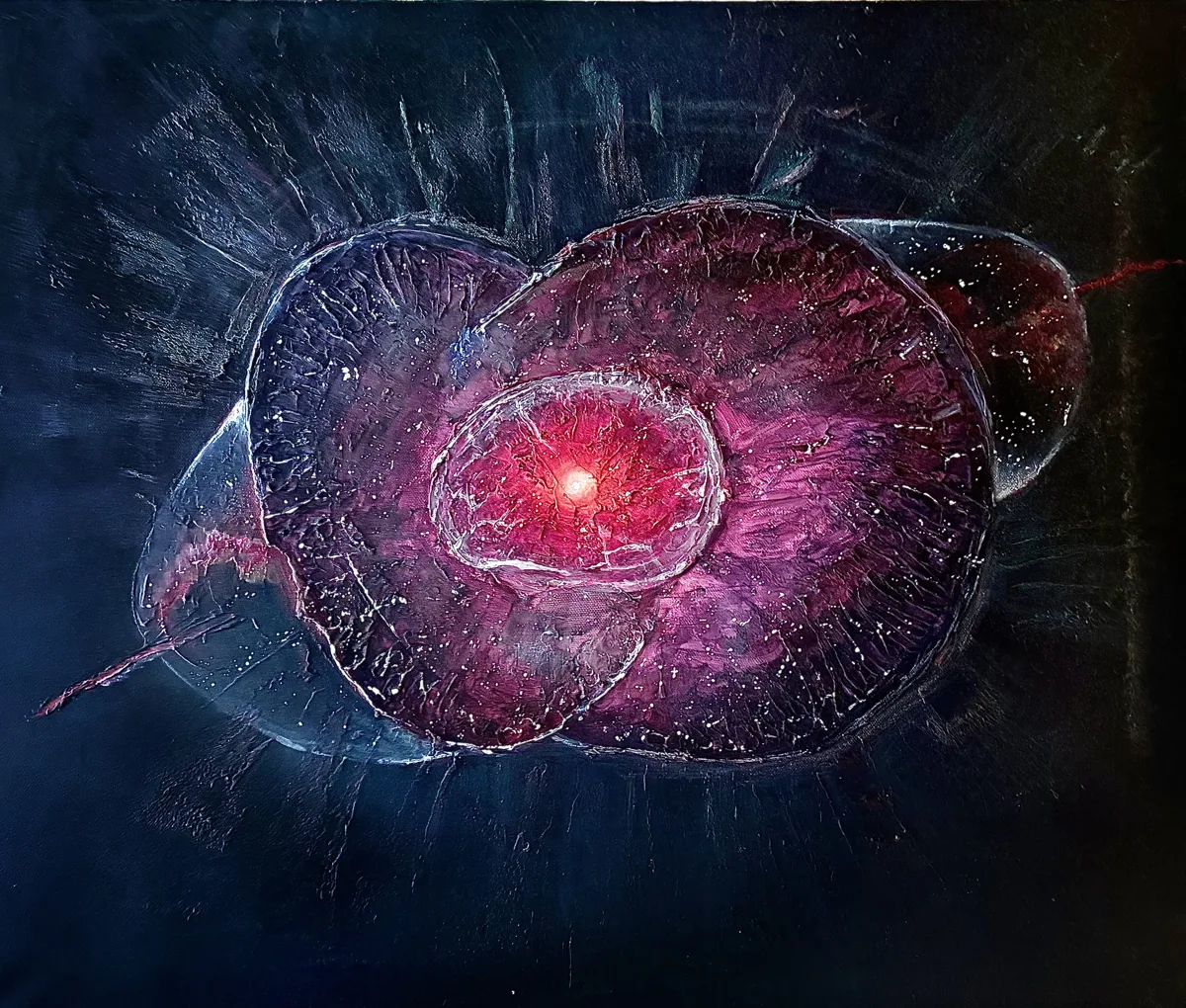
“Oil on canvas” identifies both a paint and a support. Read these separately, then return to the work. The same material can appear in thin layers or thick marks. Treat the label as an invitation to observe, rather than a shortcut for deciding a work’s quality or monetary value.
02Compare paint through its surface
Oil paint uses an oil binder; acrylic paint uses a synthetic resin binder. Now look for soft or sharp edges, visible brush directions and underlying layers. These questions are more useful than guessing a medium from a photograph’s shine. Check the artist’s material description before naming what you see.
Official source · npg.org.uk03Notice small decisions on paper
With a drawing or work on paper, follow interrupted and overlapping lines, open areas and the color of the support. A firmly pressed branch can feel different from a lightly traced one. If you notice a revision, do not immediately call it a mistake: ask what it contributes to the finished image.
04Ask how a print was made
When a label says “print,” look for the specific process and production notes. MoMA’s print resources offer works to compare. If a work carries a number, check its meaning in the accompanying documentation. A lower number alone is not a reliable reason to assume an earlier impression or a better artwork.
Official source · moma.org05Include shadows and empty space
For sculpture and other three-dimensional work, notice side views, shadows and openings that a frontal photograph may hide. Move only within the permitted viewing area and compare silhouettes. Online, look for additional views and distinguish what is visible from what you imagine. Touch is not necessary for this exercise.
06Read mixed materials one layer at a time
Start by separating visible elements: painted areas, attached pieces and drawn lines. Where do they meet? Confirm their materials in the label, then ask why they might have been combined. Describe three different surfaces in one work. This gives you a concrete starting point even when the overall composition feels complicated.
Read next
Questions for abstract and installation art
When a subject is not immediately recognizable, begin with form, space, time and your own movement.
Read the guide
How to read the small label beside a work
Titles, dates, materials, dimensions and exhibition vocabulary: turn a short label into useful clues.
Read the guide