Three ways into Korean art
Lines and color, ceramic surfaces, and artists working today. Begin with different expressions rather than a single image of Korea.
01Begin with lines and color
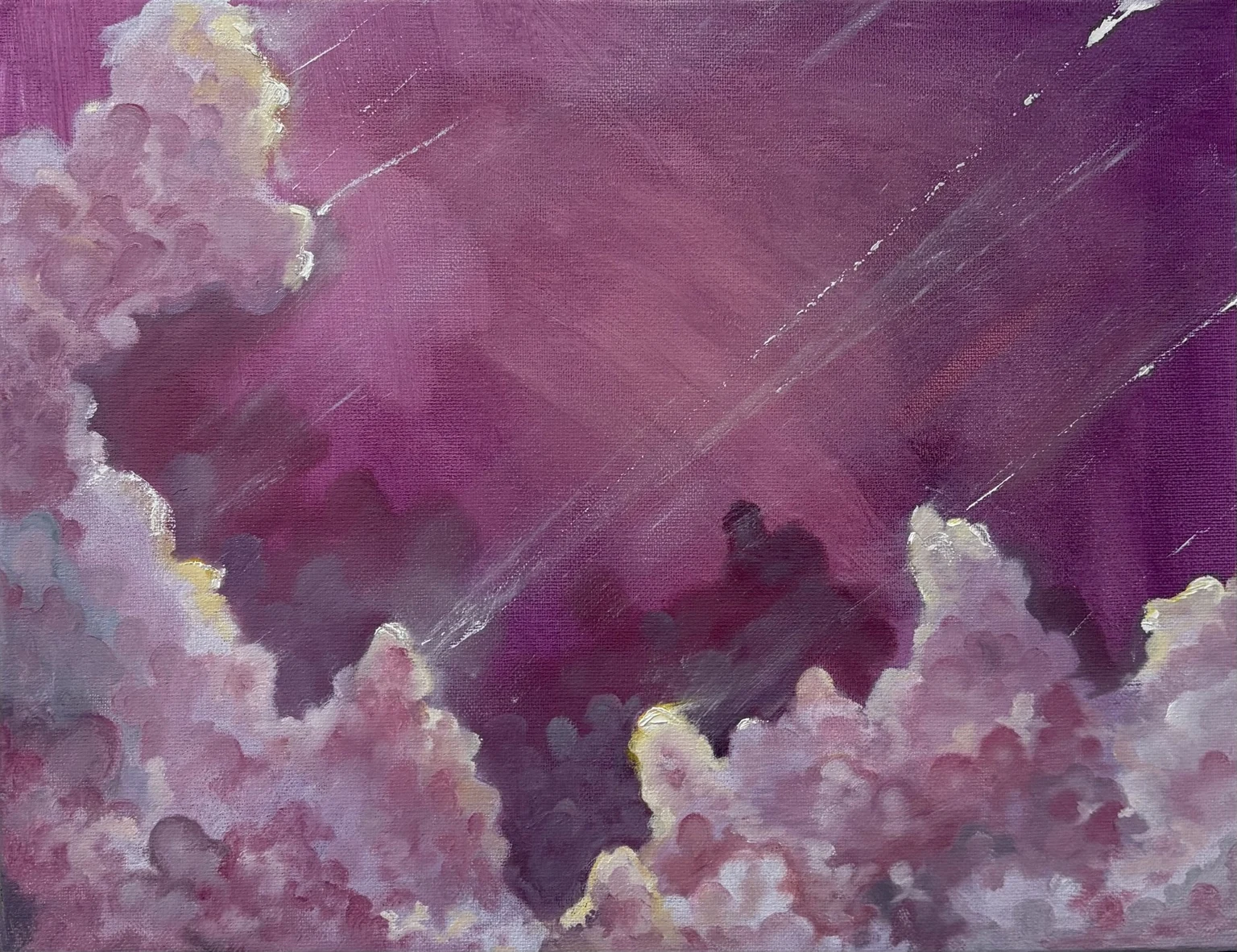
The National Museum of Korea introduces Korean calligraphy, painting and Buddhist painting in its collection resources. Choose one work and follow the direction of its lines and the placement of color. Compare how filled and open areas guide your eye.
Official source · museum.go.kr02Look at both glaze and shape
Celadon was a major ceramic type during the Goryeo dynasty. Notice its green and blue glaze tones, then follow the vessel’s outline and the light on its surface. A photograph shows only one viewpoint, so look for other views and accompanying descriptions.
Official source · metmuseum.org03Meet artists working today
MMCA offers exhibitions and collection resources for exploring modern and contemporary art. Rather than treating older and newer works as one “Korean style,” compare their materials and questions. On ARTPICK, continue with emerging artists and local exhibitions.
Official source · mmca.go.kr04Find traces of making in buncheong
Buncheong vessels have a gray body with white slip decoration. The National Museum of Korea explains their basic features. When looking, trace the edges of the white areas, repeated patterns and surface marks. These are starting points for observation; consult the object description before deciding which technique produced a particular effect.
Official source · museum.go.kr05Look beyond a single idea of white
Joseon white porcelain includes both undecorated vessels and examples painted in blue or brown. Explore examples in The Met’s overview, then compare a vessel’s opening, body, foot and reflected light. Instead of treating whiteness as the character of an entire nation, read about the individual object’s use and circumstances of production.
Official source · metmuseum.org06Keep time and place in view
Record the date, material and collecting institution alongside a work’s title. A documented period and title are easier to find again than “an old Korean painting.” Similar-looking works do not necessarily prove direct influence. Separate documented facts from your visual comparisons to build a notebook that leaves room for further research.
Read next
Before you visit an exhibition in Korea
Dates, addresses and photography rules: a practical checklist for a first visit.
Read the guide
See more by noticing materials
Painting, paper, prints and three-dimensional work: connect a material’s name with the marks and surfaces in front of you.
Read the guide